How to Select Child Dental Services Chennai
Comprehensive Pediatric Dental Care Guide: Keys to Ensuring Healthy Smiles for Kids
Children's dental care represents a crucial component of their general wellbeing. Early check-ups can prevent serious dental issues later in life. Creating positive dental care routines early in childhood is crucial. Nutrition also plays a significant role in maintaining healthy teeth. Being aware of frequent dental concerns in young patients supports preventive care. Nevertheless, numerous caregivers find it challenging to make oral hygiene fun. Discovering practical approaches results in better dental outcomes for kids.
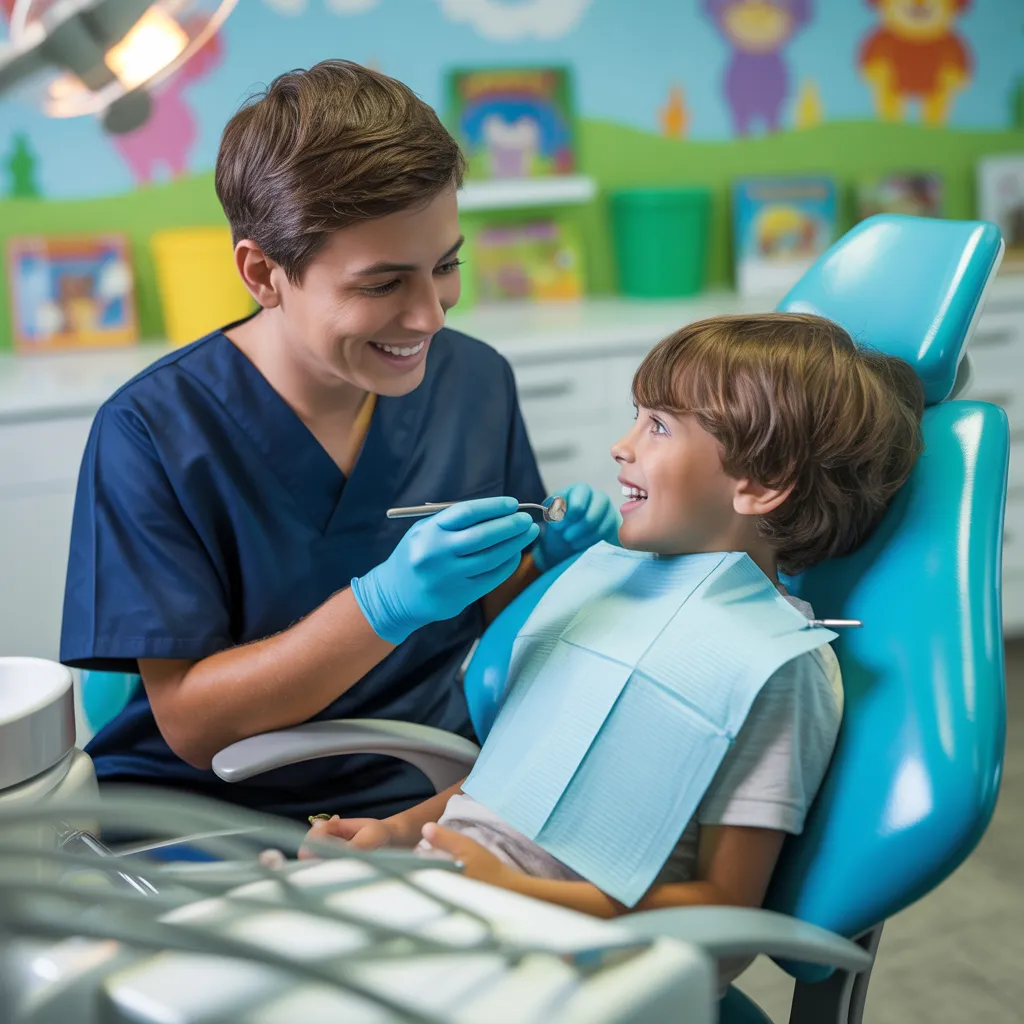
The Significance of Early Dental Examinations
While countless parents tend to underestimate the significance of dental care for young children, early dental examinations play an important role in building a foundation for lifelong oral health. These appointments typically start around the age of one, coinciding with the eruption of the first teeth. During these visits, pediatric dentists evaluate dental development and can recognize potential complications, such as cavities or alignment problems, before they intensify.
Initial check-ups additionally provide an opportunity for parents to receive instruction on best practices for oral hygiene, dietary choices, and the prevention of dental diseases. By fostering a positive relationship with dental care at a young age, children are more likely to maintain these habits into adulthood. Moreover, regular visits help reduce anxiety associated with dental procedures, making future appointments more manageable. Finally, early dental check-ups are essential for promoting healthy smiles and instilling lifelong oral health practices.
Building Good Dental Care Routines
Building good oral hygiene routines early in life is vital for children's long-term dental health. Parents have an important role in instructing their children the importance of brushing and flossing. It is recommended that caregivers start cleaning infants' gums with a soft cloth after feedings and introduce a tiny, soft-bristled toothbrush once the first tooth appears. Children should be encouraged to brush twice each day with fluoride toothpaste, ensuring they use only a pea-sized amount.
Additionally, making dental care a pleasant and captivating practice can encourage positive attitudes toward oral hygiene. Parents might consider using songs or timers to make brushing enjoyable. Consistently planned dental check-ups support these habits and offer professional guidance. By introducing these practices early, children are apt to maintain proper oral hygiene throughout their lives, minimizing the risk of cavities and other dental complications.
Diet and Its Effect on Oral Health
Appropriate nutrition serves an important function in sustaining children's dental wellness. A nutritious diet packed with vitamins and minerals is vital for fostering robust dental and gum development. Calcium, located in dairy foods and green leafy vegetables, fortifies tooth formation, whereas phosphorus contributes to enamel repair. Furthermore, vitamin C, found in produce, assists in maintaining gum health and reducing inflammation.
In contrast, excessive consumption of sugary foods and beverages can lead to tooth decay. Sugar interacts with bacteria in the mouth, generating acids that break down enamel. Parents ought to focus on whole foods such as fruits, vegetables, whole grains, and lean proteins, and minimize sugary snacks and drinks to support ideal dental health.
Water consumption also plays a crucial role; water aids in flushing out food remnants and bacterial buildup. By cultivating good nutritional habits, parents can substantially affect their children's lasting oral health, building the base for a lifetime of radiant smiles.

Frequent Tooth Problems in Children and How to Avert Them
Sustaining a wholesome diet not only encourages healthy teeth but also aids in avoiding common dental problems among children. Cavities, often triggered by sugary snacks and poor oral hygiene, rank as one of the most common dental problems. To reduce this risk, parents should encourage regular brushing and flossing, ideally twice a day. Moreover, dental sealants can provide an extra layer of protection for molars, which are particularly prone to decay.
A further concern is misalignment, which can result in difficulties like overcrowding or bite problems. Scheduled dental check-ups can detect these concerns early, enabling timely intervention. Additionally, thumb-sucking and prolonged pacifier use can impact dental development, so parents should observe and minimize these habits.
Turning Dental Care Fun for Kids
Making dental care enjoyable for children can transform a routine chore into a fun activity. Engaging children through interactive methods makes oral hygiene more approachable. Parents can introduce colorful toothbrushes and flavored toothpaste, making the experience visually appealing and palatable. Creating a dental care chart that rewards youngsters with stickers for daily brushing can inspire them to engage enthusiastically.
Imaginative role-play scenarios can further increase enthusiasm; children may enjoy pretending to be dentists or patients. Adding catchy tunes or entertaining videos focused on brushing can also captivate them while instructing on appropriate practices. Organizing family brushing sessions turns it into a bonding activity, emphasizing the value of tooth care.
Moreover, storytelling can useful resource assist children grasp the value of dental care through engaging narratives showcasing their favorite characters. By embracing these methods, parents can cultivate lifelong dental habits in their children while making certain that the process remains pleasant and engaging.
Common Questions
At What Age Should My Child's First Dental Visit Be?
A child should first visit the dentist by their first birthday or within six months after their first tooth appears. Early visits help establish good dental habits and monitor the child's oral health development.
How Often Should Children Brush Their Teeth?
Young ones ought to brush their teeth a minimum of twice each day. Regular brushing aids in eliminating plaque and avoiding cavities, building strong dental care practices from a young age. Caregivers have a vital part in making sure this habit is formed.
Are Fluoride Treatments Safe for Young Children?
Professional fluoride treatments are generally safe for younger kids when applied by a dental professional. These treatments help strengthen teeth and stop tooth decay, but parental guidance and suitable dosage remain critical to maintain both safety and efficacy.
At What Point Should My Child Move to a Manual Toothbrush?
Kids should generally transition to a manual toothbrush at approximately age six, when they develop the coordination necessary to effectively use one. Parents should monitor brushing to verify proper technique and appropriate cleaning of teeth.
How Should I Handle a Dental Emergency Involving My Child?
During a dental emergency, it's important to stay calm, evaluate the circumstances, and obtain prompt professional assistance. Softly rinse the damaged area, contain any bleeding, and ensure the child doesn't consume any food or drinks.